Dave's "The Boy Who Played The Harp", hit or miss?
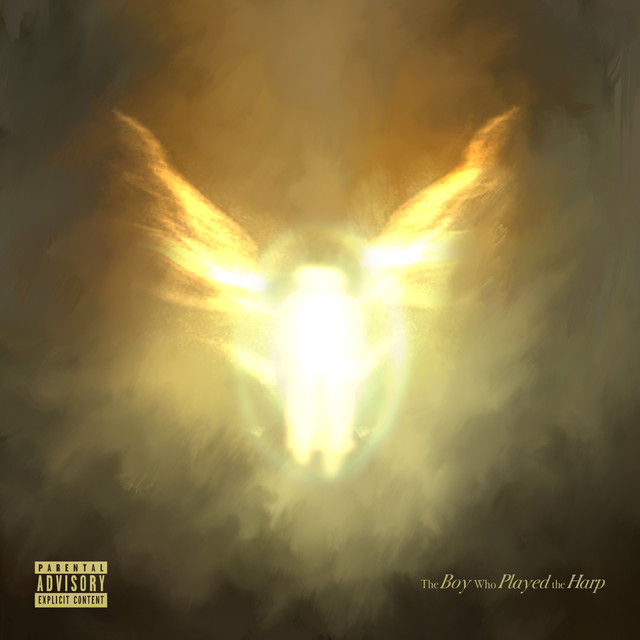
4 long years later, one of the best rap talents to come out of the UK return with a new album, “The Boy Who Played The Harp”. A successor to his 2021 ‘” We’re All Alone In This Together’, Dave released this as a way to reinvent himself and his sound. 10 songs long and lasting 13 mins shorter than his last album, his fanbase was worried that it may contain too little. However, from my listening experience, I couldn’t feel more opposite.
“The Boy Who Played The Harp” is slow and he sings; which is not the pace people expected from him. Dave’s UK image is more boisterous, rapping especially about his past, and about alcohol but taking a turn in direction in his last album. He toned down slightly, looking at himself and the world more than his past. TBWPTH is a deeply introspective album, diving deep into his emotions and really explores how much he was changed by his past, if at all. As established by the title, the boy in reference playing the harp is David, later King David, from biblical scripture, titling that this is going to have a religious side. Indeed, this is Dave’s most religious outing yet.
Rapping in “175 Months”, he dips into how his mother raised him, anointing him with oil and bringing God into his life. Though it seems like he largely rejected or put less focus on God in earlier albums, this album is a return to that form. This side is explored in part in every single song on the album, and the intro “History” sets that up perfectly. The beat uses the Hammond organ, the typical evangelical organ sound you’ll recognize, with Dave rapping about his faith and upbringing. The amazing talent of James Blake fills in the chorus, one of Blake’s 3 features on this album.In addition to this Godliness, Dave shows vulnerability on this album, rapping about his present struggles with his image and perception including about how he could be a better man. This is especially explored in “My 27th Birthday”, where he asks whether his bad experiences affected him, explaining that he never saw himself getting to the age which he is now.
However, the strongest tracks to me are the ones where Dave talks about others. The song dedicated to his imprisoned friend Josiah, ‘Marvelous’, is particularly poignant as Dave uses his story to tell the state of the younger generation, their influences and gang experience. The song is great not only lyrically, but the beat loses the melody and becomes more of a typical drill beat as the lyrics get darker. It is very well done, and Dave illustrates the image incredibly.
Immediately following up Marvellous is Fairchild, which explores the struggles of being a woman around men. This is done through the eyes of Tamah, who is Josiah’s sister. It is told through little things, from being in an uber to men talking to her at a party, ending in assault. The song, featuring Nicole Blakk, is realistic and striking. The longer the song went on, the more my stomach twisted. Dave uses Tamah’s story as a rallying call for men to make the world safe for women and to hold men accountable.
All of these themes come to a head in the closing track, “The Boy Who Played The Harp”. The closer is raw, emotional, beautifully produced and does its best to leave a mark on you. This is intentional by Dave, who reflects on the sacrifices of previous generations and how they set the world up and wondering whether he would follow in their footsteps if he had to do the same (“Laid down my life on the line so my grandkids could live a life that’s peaceful; Would I be on that? Would I be frontline?”). It is this which leads him to again question his name David and what role he must play in the world. This is all rapped to, what sounds like, an interpolation of Chopin’s Funeral March. This piano being the base of the beat works beautifully.
That being said, the album isn’t flawless. Some of the beats feel hollow, yet Dave rapping atop them with his typical slick, smart and sometimes funny lyrics makes me forget about those problems. I would also have liked a little bit more traditional Dave, focused solely on melodic upbeat tracks and making a hit, but I recognize that may have clashed with the message he was trying to pass in this albumI think his last album, “We’re All Alone In This Together”, is stronger in that sense, where he balances his typical sound and hit potential with these deeper lyrics found on this album. Even though I love TBWPTH, it does slow down to a crawl and he seems to re-hash and reinforce the same points he’s already made.
Altogether, The Boy Who Played the Harp is conclusively a very strong album. However, it trades fun, hype 808’s and upbeat sounds for meaning, departing from the boisterous sounds of “Clash” and “Thiago Silva” he is known for. Some fans of this more typical Dave sound may feel let down by this, especially after 4 years, but I found it to be a pleasant and mature surprise. This album is Dave’s attempt at changing the way the UK thinks, and time will tell if it works.

Comments